Common Conditions

Flat Foot

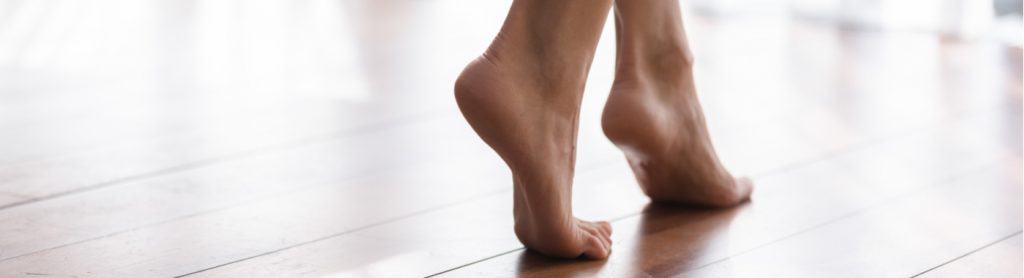
Flat Foot When a foot is severely “pronated,” it means its arches have fallen and the foot is flat. Flat feet are less shock-absorbent, and make for a less stable “base” for everything above—the bones, muscles, ligaments and tendons of the entire body. They can also: Shift the entire body out of alignment Cause aches […]

Flat Foot Read More »

Trigger Finger

Share on facebook Share on linkedin Share on whatsapp Trigger Finger Trigger Finger is also known as stenosing tenosynovitis. Your hand is a very complex body part with numerous pulley systems throughout out the finger. These pulleys act as anchors for tendons that pass underneath them so that you are able to move your fingers

Trigger Finger Read More »

Kyphosis

Share on facebook Share on linkedin Share on whatsapp Kyphosis Kyphosis is a spinal disorder in which an excessive outward curve of the spine results in an abnormal rounding of the upper back. The condition is sometimes known as “roundback” or—in the case of a severe curve—as “hunchback.” Kyphosis can occur at any age, but

Kyphosis Read More »

Premenstrual Syndrome

Share on facebook Share on linkedin Share on whatsapp Premenstrual Syndrome (PMS) Premenstrual syndrome (PMS) is characterized by mood swings, swollen abdomen, headaches, back pain, food cravings, fatigue, irritability or depression in the days before a woman’s monthly period. The severity of these symptoms can range from mild to incapacitating and may last from a

Premenstrual Syndrome Read More »

Fibromyalgia

Share on facebook Share on linkedin Share on whatsapp Fibromyalgia The word fibromyalgia comes from the Latin term for fibrous tissue (fibro) and the Greek ones for muscle (myo) and pain (algia). Fibromyalgia syndrome is chronic disorder which includes widespread muscle pain, fatigue, and multiple tender points. For reasons that are unclear, more than 90%

Fibromyalgia Read More »

Sprain/Strains

Share on facebook Share on linkedin Share on whatsapp Sprains and Strains Sprains and strains are usually minor injuries that often result from work related injuries, sports, exercise, or other physical activity. Sprains refer to an injury to a ligament (the connective tissue that links bones together at joints). Sprains happen most often in the

Sprain/Strains Read More »

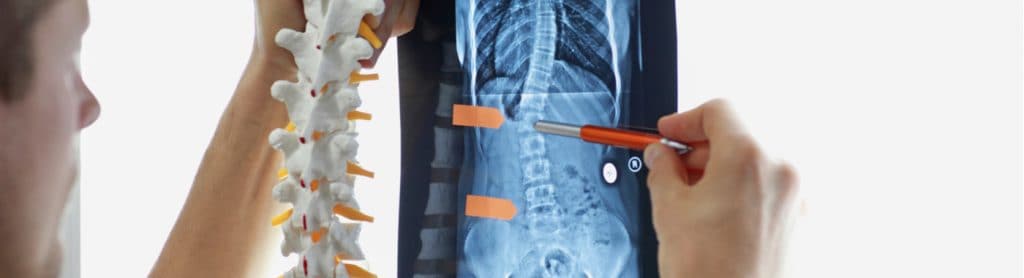
Scoliosis

Share on facebook Share on linkedin Share on whatsapp Scoliosis Scoliosis is a sideways curve of the spine that causes stiffness and pain. It is called an idiopathic disease because the cause of it is unknown. Scoliosis is more common in females and begins in childhood. However, merely 2 percent of the population is afflicted.

Scoliosis Read More »

Tendonitis

Share on facebook Share on linkedin Share on whatsapp Tendonitis Tendons are strong and flexible fibrous bands that connect muscle to bone. When any muscle in the body contracts to move a bone, a tendon is responsible for transmitting to the bone the force of that contraction. What cause Tendonitis? Overuse and repetitive motion can

Tendonitis Read More »

Carpal Tunnel Syndrome

Share on facebook Share on linkedin Share on whatsapp Carpal Tunnel Syndrome Carpal tunnel syndrome occurs when median nerve, a nerve that controls sensations to the palm side of the thumb and first three fingers is compressed. When the median nerve becomes compressed or squeezed at the wrist due to irritated tendons or similar swelling,

Carpal Tunnel Syndrome Read More »

TMJ Syndrome

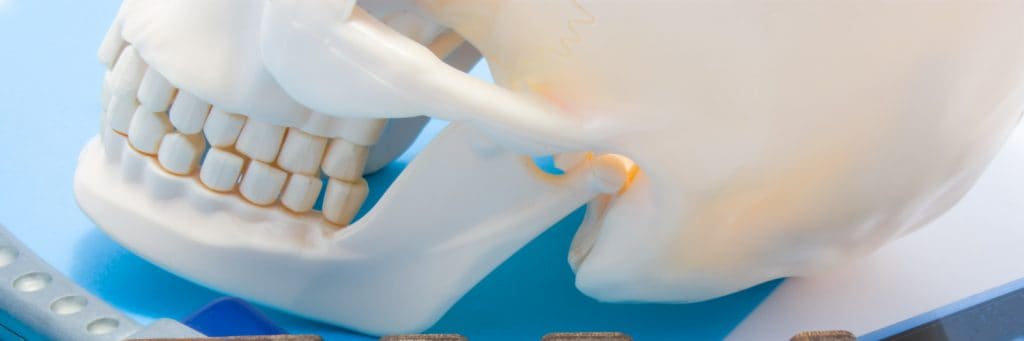
Share on facebook Share on linkedin Share on whatsapp TMJ Syndrome Temporomandibular Joint disorder or TMJ is a mechanical dysfunction of one or both of the joints of the jaw. TMJ occurs right in front of the ears, as a result, a patient with TMJ might also have a problem with their ears, like grinding,

TMJ Syndrome Read More »

error: Content is protected !!