Common Conditions

Muscle Spasm

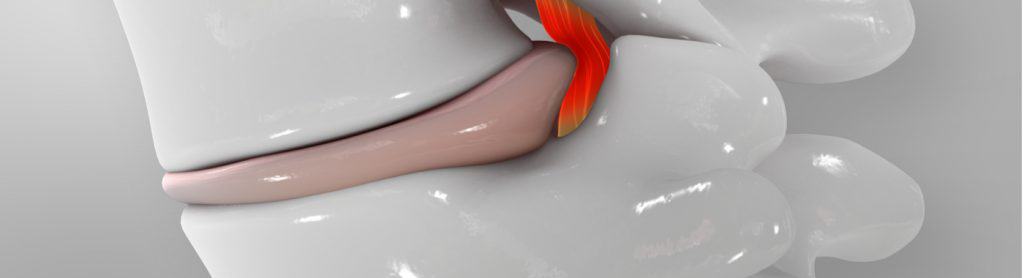
Share on facebook Share on linkedin Share on whatsapp Muscle Spasm Muscle spasms feel like tightness in the muscles and may be accompanied by pain and it is result from inflammation that occurs when a muscle is over-stretched or torn. It begins as a muscle strain and can eventually cause severe low back pain. Muscle […]
Muscle Spasm Read More »

Pinched Nerve

Share on facebook Share on linkedin Share on whatsapp Pinched Nerve The term “pinched nerve” is somewhat of a catch-all phrase that is commonly used to describe the pain associated with a variety of conditions from subluxations, to tunnel syndromes to the referred pain from trigger points. Most of the time, what is called a

Pinched Nerve Read More »

Arthritis

Share on facebook Share on linkedin Share on whatsapp Arthritis Arthritis is inflammation of one or more joints, which can cause pain, discomfort and stiffness throughout joints and the body. Common symptoms of arthritis and joint inflammation include swelling, joint pain and stiffness and decreased range of motion — typically worsening with age. Osteoarthritis is

Arthritis Read More »

Osteoporosis

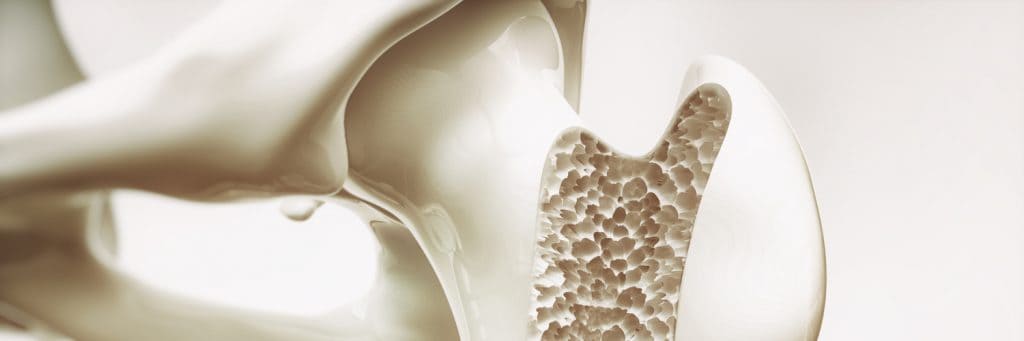
Osteoporosis Osteoporosis is a bone disease that’s characterized by the loss of bone density. In other words, certain bones have decreased strength in comparison to other bones. Osteopenia is the precursor to osteoporosis; this is when bone strength has been lost but it’s not to the degree that calls for a label of osteoporosis. How

Osteoporosis Read More »

Spondylolisthesis

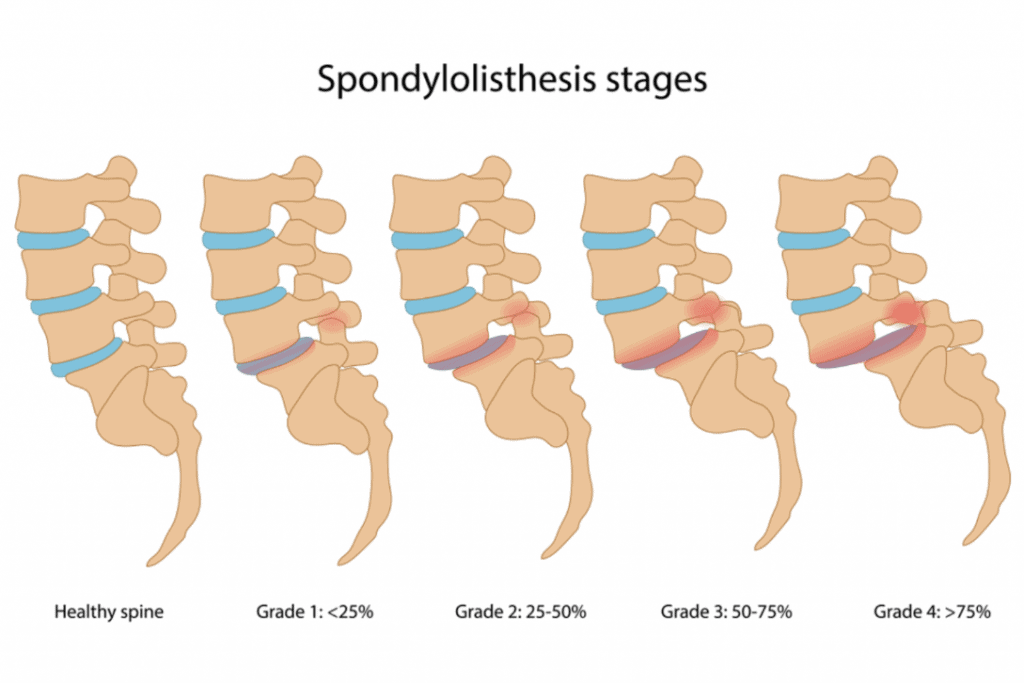
Share on facebook Share on linkedin Share on whatsapp Spondylolisthesis Spondylolisthesis occurs when one vertebra slips forward in relation to adjacent vertebrae. The condition can be a source of back pain, leg pain and other symptoms. What Is Spondylolisthesis? Spondylolisthesis occurs when one vertebra slips forward on the adjacent vertebrae. The condition may be congenital

Spondylolisthesis Read More »

Spondylosis

Share on facebook Share on linkedin Share on whatsapp Spondylosis Spondylosis is the medical term used to describe the appearance of degenerative changes in the spine.  These degenerative changes are most commonly age-related and, therefore, their frequency increases with age.  By the age of 50, most people will have some evidence of spondylosis on imaging. 

Spondylosis Read More »

Foraminal Stenosis

Share on facebook Share on linkedin Share on whatsapp Foraminal Stenosis Foraminal stenosis is a condition in which one or more of the vertebral foramen narrows, impinging on or “pinching” the spinal nerve roots. Between the vertebrae of the spine, there are openings through which the spinal nerve roots pass to exit the spinal column,

Foraminal Stenosis Read More »

Spinal Stenosis

Share on facebook Share on linkedin Share on whatsapp Spinal Stenosis Spinal stenosis means spinal narrowing.  It invariably occurs due to longstanding wear and tear in the affected part of the spine and can happen either in the neck or the lower back.  Most commonly, however, spinal stenosis is used to refer to problems in

Spinal Stenosis Read More »

Piriformis Syndrome

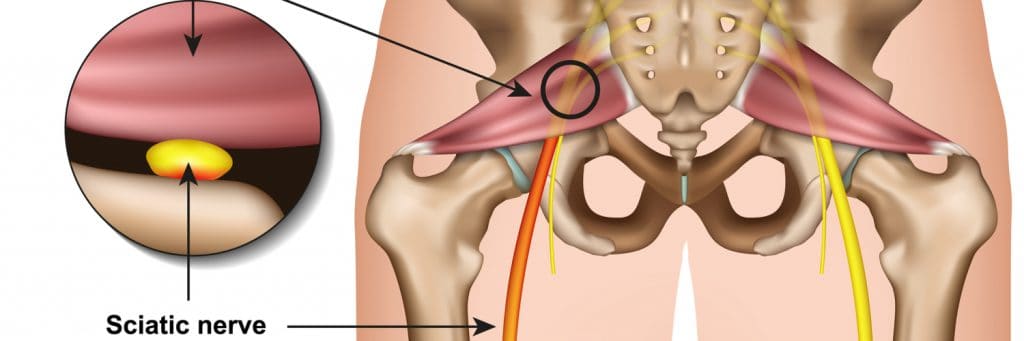
Share on facebook Share on linkedin Share on whatsapp Piriformis The piriformis is a muscle located in the buttocks. You’ve probably never heard about it before, but that doesn’t make it any less important to your physiology. In fact, if you suffer from piriformis syndrome, you’ll come to realize just how important this muscle is.

Piriformis Syndrome Read More »

Sacroiliitis

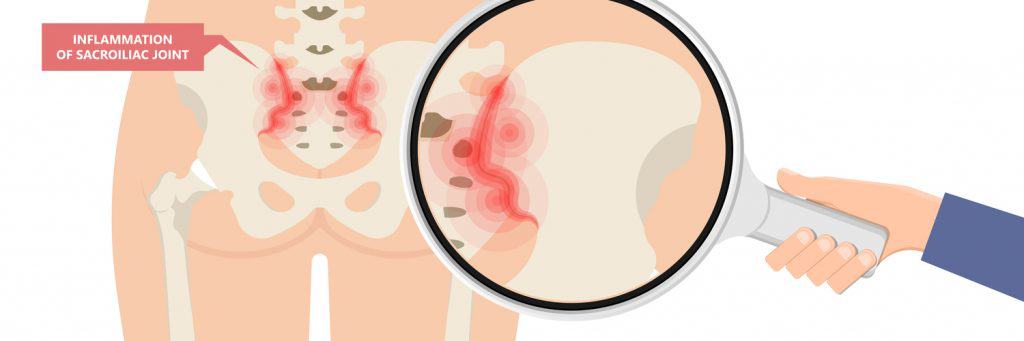
Share on facebook Share on linkedin Share on whatsapp Sacroiliac Syndrome Sacroiliac dysfunction is a common cause of back pain, and may be associated with pirformis syndrome. What Is Sacroiliac Dysfunction? The sacroiliac joint is located in the low back between the spine and hip joint, and normally does not move much. Misalignment of this

Sacroiliitis Read More »

error: Content is protected !!