The symptoms of cervical disc herniation are mistaken for stroke
Is headache, dizziness, nausea, hand and face numbness related to stroke or cervical spine?
The above symptoms are common clinical symptoms that patients come for consult. Many people believe that headaches, dizziness, and numbness of hands and faces must be related to brain problems.
Of course, there are many reasons for these symptoms. In addition to common cerebrovascular diseases such as strokes, cervical spine diseases such as herniated discs and cervical spinal stenosis are also one of the reasons.
The difference between stroke and cervical spondylosis:
The symptoms of stroke generally include the patient’s facial numbness, weakness of one hand or foot, headache and unresponsiveness to surrounding conditions. Cervical spondylosis, such as compression of nerves, in addition to headache, dizziness, paralysis of hands and face, neck muscle tension, limited movement in the neck, and a feeling of heaviness in the shoulders and backs. These symptoms are caused by the brain or cervical spine, magnetic resonance imaging can be used to check the brain, cerebral blood vessels, cervical blood vessels and cervical spine scans.
Herniated cervical disc
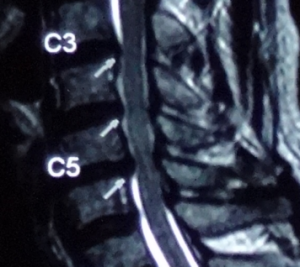
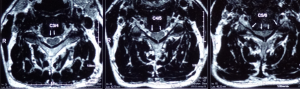
The most common cervical joints that are compressed on the cervical intervertebral disc are the fifth and sixth cervical vertebrae (C5, 6). Generally, X-rays show that the space between the vertebrae is reduced and the vertebrae have signs of degeneration. In addition to the fifth and sixth cervical vertebrae, there are also third and fourth cervical vertebrae (C3, 4), which are also parts of greater compression, and the changes in other vertebrae will follow.
The pain and paralysis of each cervical disc herniation can be distributed in different area of the hand (Figure 1). To distinguish where the intervertebral disc is herniated, it is necessary to check the arm muscle strength in, perform reflex nerve tests, and notice with the patient’s symptoms in order to confirm the diagnosis. Surgery cannot be made solely on the report of magnetic resonance (MRI). Magnetic resonance is to help doctors to confirm the diagnosis, not to help doctors diagnose the disease.
Cervical disc herniation treatment
Generally, patients suffering from cervical intervertebral disc herniation feel that the neck pain comes on suddenly, the head will feel sore at the beginning, the pain will suddenly turn into severe pain and neck weakness, it is difficult to raise the head or the head cannot move flexibly. In addition, the neck and shoulders are strained and extreme pain occurs. In severe cases, some patients may also experience numbness of their hands. The patient often rests and sleeps until midnight and the severe pain in the neck even makes the patient wake up at night, making it difficult to fall asleep again, affecting the quality of sleep and causing emotional instability.
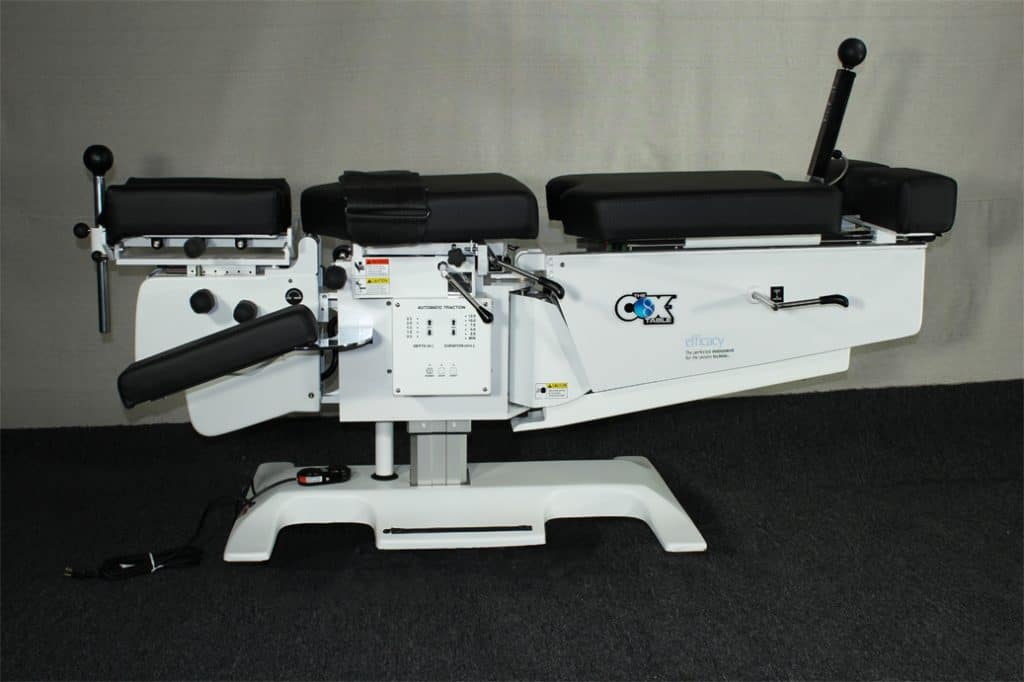
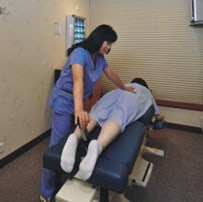
The treatment of cervical and lumbar intervertebral disc pain is mainly through cervical Cox Decompression Manipulation, “Official website (www.coxtechnic.com)”. The treatment methods of the two are the same, but the treatment parts are different. During Cox® Decompression Manipulation, the patient’s neck pain will not be significantly reduced after one or two treatments. However, since the pressure in the intervertebral disc cannot be reduced all at once, the patient can use ice compress or take pain killer and anti-inflammatory drugs are used to relieve pain and reduce pain in the affected area. Of course, the patient should rest more and not move too much, so that the affected area can be gradually improved. When the condition improves, it is necessary to strengthen the neck muscles and improve the wrong posture at work or daily life.