Service

Chiropractic Adjustment

The most common therapeutic procedure performed by doctors of chiropractic is known as “spinal manipulation,” also called “chiropractic adjustment.”

The purpose of manipulation is to restore joint mobility by manually applying a controlled force into joints that have become hypomobile – or restricted in their movement – as a result of a tissue injury. Tissue injury can be caused by a single traumatic event, such as improper lifting of a heavy object, or through repetitive stresses, such as sitting in an awkward position with poor spinal posture for an extended period of time. In either case, injured tissues undergo physical and chemical changes that can cause inflammation, pain, and diminished function for the sufferer. Manipulation, or adjustment of the affected joint and tissues, restores mobility, thereby alleviating pain and muscle tightness, and allowing tissues to heal.

A chiropractic adjustment typically involves:

  • A high velocity, short lever arm thrust applied to a vertebra
  • An accompanying, audible release of gas (joint cavitation) that is caused by the release of oxygen, nitrogen, and carbon dioxide, which releases joint pressure (cavitation).
  • A relieving sensation most of the time, although minor discomfort has been reported (that usually lasts for a short time duration) if the surrounding muscles are in spasm or the patient tenses up during this chiropractic care.
shutterstock_1381547330

Chiropractic Adjustment Side Effects:

The most common reaction to a chiropractic adjustment is aching or soreness in the spinal joints or muscles. If this aching or soreness occurs, it is usually within the first few hours post-treatment and does not last longer than 24 hours after the chiropractic adjustment. Application of an ice pack often reduces the symptoms relatively quickly.

Cox® Decompression Technic

Cox® Technic is a well-researched, well-documented and proven effective technique for decompressing spinal nerves and treating back and neck pain. It is a gentle, non-surgical, low-force procedure which helps the spine heal properly – and keeps it as pain free as possible.

What Is Cox® Decompression Manipulation?

Cox® Decompression Manipulation was invented by Dr. James M. Cox, a United States Chiropractor.

It uses “Flexion-Distraction” and “Decompression” to adjust and manipulate the spine thus:

  • Dropping intra-discal pressure -192mmHg
  • Widening the spinal canal intervertebral foramen 28%
  • Reducing pressure on the spinal nerves
  • Returning motion to the spinal joints

Cox® Technic is appropriate for conditions causing low back and leg pain as well as neck and arm pain. It also reduces pain attributable to:

  • Disc herniation/a slipped disc/ a ruptured disc
  • Sciatica
  • Stenosis
  • Spondylolisthesis
  • (suitable for osteoporosis elders and pregnant women)

Cox® Technic is a well-researched, well-documented and proven effective technique for decompressing spinal nerves and treating back and neck pain. It is a gentle, non-surgical, low-force procedure which helps the spine heal properly – and keeps it as pain free as possible.

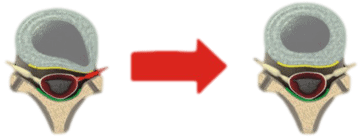
Compressed

Painful
High Intradiscal Pressure
Decrease Disc Space Height
Compressed Spinal Joints

“Before” VS “After” COX® Decompression Treatment

Decompressed

Pain Relieved
Reduced Intradiscal Pressure
Increase Disc Space Height
Spinal Canal Area Opened by 28%

Highlight Of Cox® Technic Treatment Result

91% of patients achieved maximum improvement in less than 3 months

78% of patients reported fair to excellent outcome

On average, patients require only 12 visits to reach maximum improvement (29% need 20+ visits and 17% need 30+ visits)

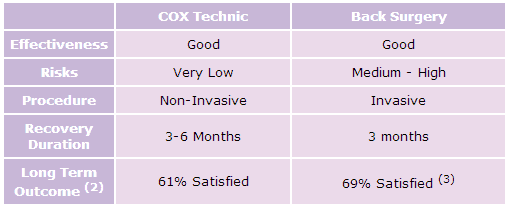
Comparison Between Cox® Technic & Back Surgery
 
 
  1. Distraction Chiropractic Adjusting: Clinical Application and Outcome of 1000 case. Cox et al: Topics in Clinical Chiropractic,1996; 3(3):45-54,79-81
  2. Long Term Outcome reference –Atlas S, Keller RB, Wu YA, Deyo RA, Singer DE: Long Term Outcomes of Surgical And Non-Surgical Management Of Sciatica Secondary To Lumbar Disc Herniation: 10 Year Results From The Maine Lumbar Spine Study. Spine 2005; 30(8)
  3. Back Surgery shows a merely 8% higher satisfaction rate than Cox Technic
 
For more related information, please visit Cox® Technic Official Website
Electrotherapy

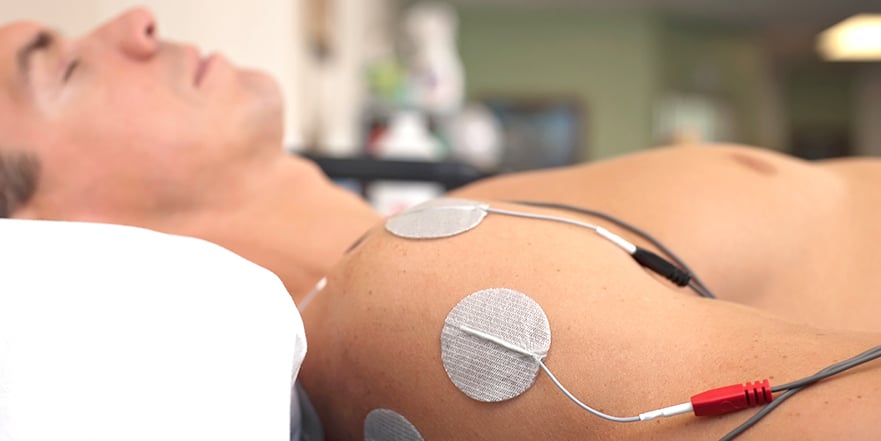
The Interferential Current Machine (ICM) produces electrical currents (~4000HZ) that penetrate deeper than other electrical modalities to provide a greater therapeutic value.

Because IFC mainly targets tissues, the most noticeable effects are seen on patients who need pain relief due to inflammation, muscle strains or sprains, and joint problems. IFC is often used with chiropractic and physical therapy as part of a full treatment plan.

The goals of IFC are to:

  • Reduce pain
  • Decrease muscle spasm
  • Reduce swelling and inflammation
  • Increase blood flow
  • Promote healing

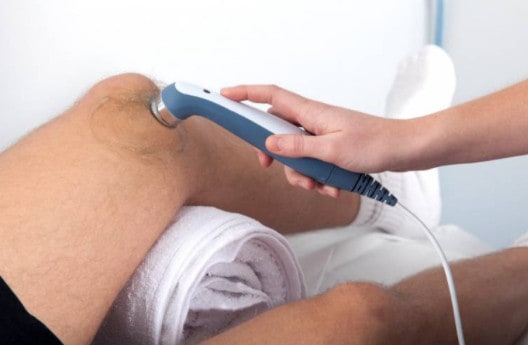
Ultrasound Therapy

Ultrasound therapy is a treatment used to relieve pain and to promote tissue healing. It helps to reduce your pain if you have any of the following:

  • Osteoarthritis
  • Myofascial pain
  • Bursitis
  • Carpal tunnel syndrome
  • Pain caused by scar tissue
  • Limb pain
  • Sprains and Strains

Types of Ultrasound Therapy

There are two main types of ultrasound therapy: thermal and mechanical. Both use sound waves generated by a transducer head (which looks a bit like a microphone) to penetrate soft tissues. The difference between the two types of ultrasound therapy is the rate at which the sound waves penetrate the tissues.

The type of ultrasound therapy you receive depends on your condition. If you have myofascial pain, or a muscle strain or sprain that has not healed, your therapist will likely use thermal ultrasound therapy. If your pain is caused by scar tissue or swelling, such as with carpal tunnel syndrome, you may benefit more from mechanical ultrasound therapy.

How Is Ultrasound Therapy Performed?

Select a small surface area to work on for anywhere from five to 10 minutes. A gel is applied either to the transducer head or to your skin, which helps the sound waves evenly penetrate the skin. During your ultrasound therapy treatment, your therapist will continually move the transducer head over and around the selected area.

Will I Feel Anything During Ultrasound Therapy?

Some people feel a mild pulsing during ultrasound therapy, while others may feel a slight warmth in the skin. Don’t be surprised, however, if you feel nothing at all, apart from the cold gel on your skin. If the area being treated is especially sensitive to touch, you could possibly feel discomfort as the transducer head passes over.

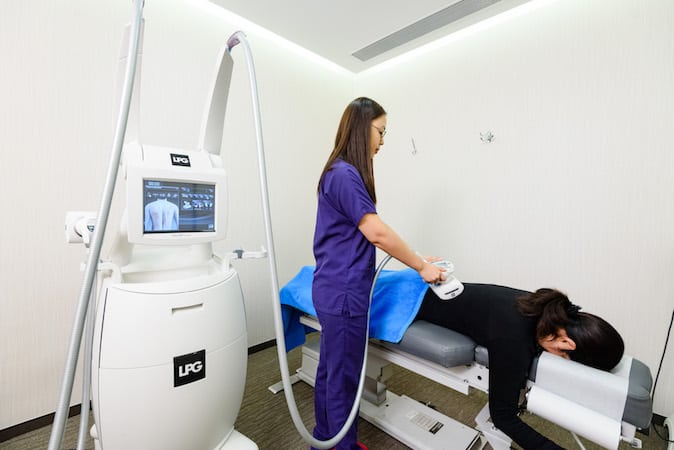
LPG M6 MEDICAL TREATMENT

LPG M6 medical treatment mobilizes tissues and stimulates circulatory exchanges to relieve tensions and reduce stiffness. This pleasant and natural treatment restores joint mobility while significantly reducing muscle and joint pain.


The treatment considerably reduce physical signs and symptoms (such as erythema, induration, pain, loss of joint mobility, muscle tensions, stiffness, soreness, etc.) so as to pave the way for a rapid return to an active life.

Bone Density Test

As part of the preventive care, bone density test is recommended to diagnose osteopenia and osteoporosis before broken bone occurs. The test can help you check whether you have such bone loss conditions or if you should be concerned about your bones.

If you are a postmenopausal woman or man age 50 and older, you should talk to you doctor about getting a bone density test if you have never had one. A bone density test tells you if you have normal bone density, low bone density (osteopenia) or osteoporosis. It is the only test that can diagnose osteoporosis. The lower your bone density, the greater your risk of breaking a bone. A bone density test can help you and your healthcare provider:


  • learn if you have weak bones or osteoporosis before you break a bone
  • predict your chance of breaking a bone in the future
  • see if your bone density is improving, getting worse or staying the same
  • find out how well an osteoporosis medicine is working
  • let you know if you have osteoporosis after you break a bone


Custom Orthotics

If you suffer from any of the following, consider custom orthotics:

  • Low Back Pain
  • Plantar Fasciitis
  • Pronation
  • Hip Pain
  • Knee Pain
  • Sciatica
  • Achilles tendonitis
  • Drop Foot
  • Leg length inequality

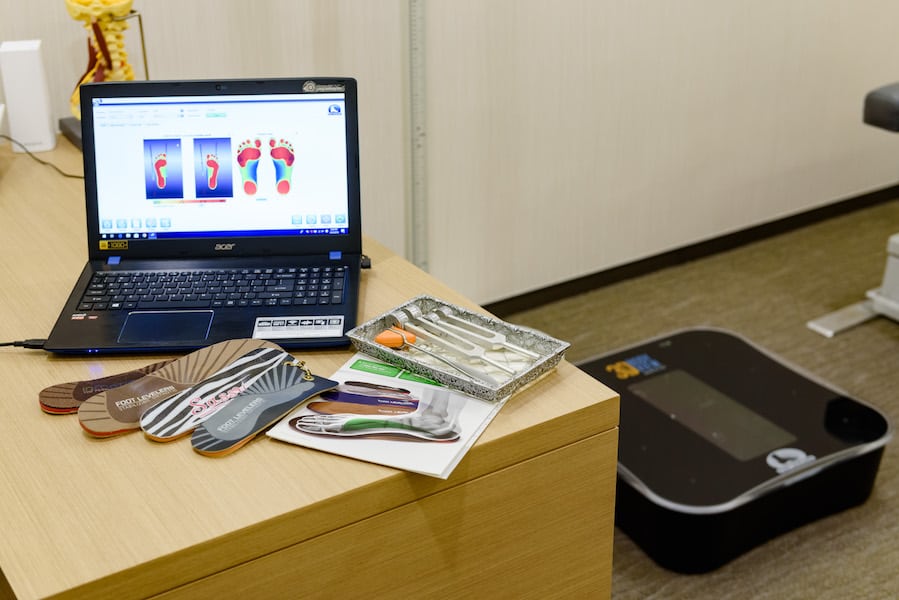
Many chiropractors encourage the use of custom orthotics to help treat a variety of problems in the system of our bodies ranging from joint pain, foot discomfort, and posture issues, and especially lower back pain. Custom orthotics are insoles that are slipped into shoes and made especially for your unique body. By providing specialized support, wearing custom orthotics can provide nearly immediate relief from lower back pain, but also help prevent it from returning, even if it was chronic before you got your orthotics.

The foot scan assesses the three arches in both of your feet, as well as how you distribute your weight on the foundation of your body. Likely, if you have been experiencing lower back pain for a while, you’ve adjusted your posture to try and compensate for your discomfort. A Foot Levelers scan will identify this and recommend a totally customized orthotic insole that will provide you with relief from spine and joint pain.

Although many people try to treat their low back pain on their own first, one of the fastest and best ways to treat it is through custom orthotics, which actually optimize the performance of your entire body, not just your feet and lower back. Custom orthotics provide the support and relief that is nearly impossible to find with over-the-counter solutions and based especially on your unique body, for optimal success.

Chronic lower back pain is not normal. It is not just a function of your age or lifestyle. Aches and pain can be treated and it is possible to live a comfortable life each and every day. If you are experiencing lower back pain.

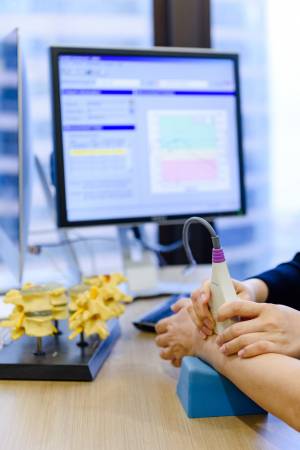
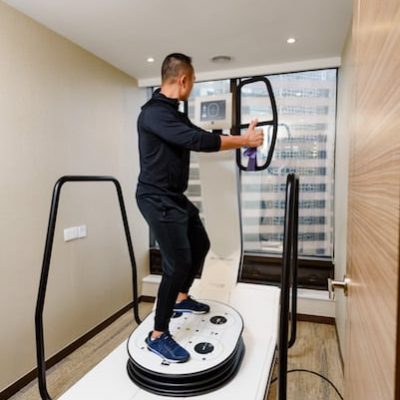
Exercise Therapy

Cardiovascular and strengthening exercises combined with chiropractic care are important in the management of low back pain.

Chiropractors are extensively trained in the assessment, diagnosis, prevention, and management of muscle conditions. To help relieve pain and dysfunction, joint manipulation is one of chiropractors are trained to perform effectively. Studies have shown that chiropractic adjustments work best and are most effective when done in conjunction with exercise training.

Increase treatment effectiveness: Evidence also suggests that chiropractic treatment (manipulation and/or mobilization) combined with exercise is more effective than other therapies for patients with muscle and joint conditions.

Long-term benefit: A study showing that spinal manipulation and/or mobilization plus exercise demonstrates long-term benefit for pain relief, functional improvement, and global perceived effect for chronic mechanical back dysfunction.

Aria_EMG_00011-1

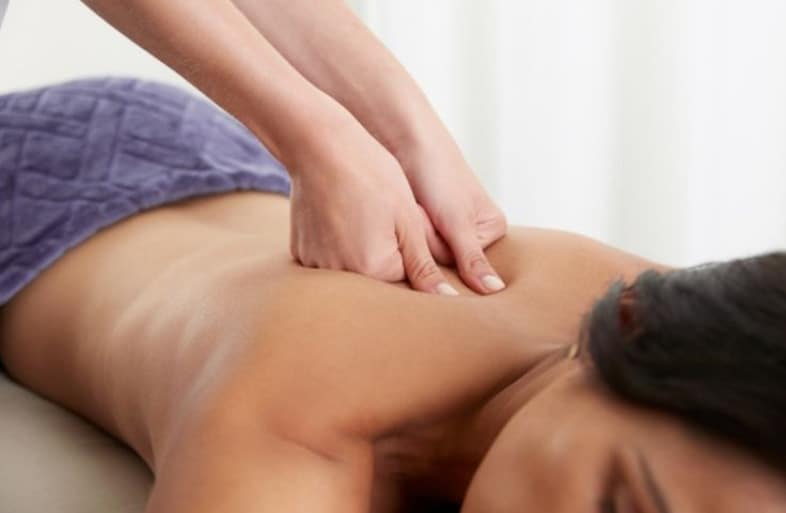
Deep Tissue Massage Therapy

Chiropractic treatment with a combination of massage therapy to help support whole spine and body health in the patient.

Chiropractor uses traditional adjustments to release any subluxations that could be causing your pain and discomfort, as well as promoting healing to your muscle fibers and soft tissue. Massage is then used to help promote healing and wellness to the smaller systems of your body such as your limbic and muscle systems.

Chiropractic adjustments focus on the hard tissue of the body, such as the vertebrae and joints of the spine, and massage focuses on the soft tissues.

The goals for chiropractic treatment, utilizing with medical massage as part or all of your treatment plan can give you better, faster results and greater feelings of health and well-being. Our therapists are specially trained and work closely with doctors to best manage and customize each session specifically to the patient’s need. 

  • Medical grade massage that targets specific body structure in combination with our chiropractic treatment.
  • Manual lymphatic drainage which helps restore body’s circulation or to improve effectiveness
  • Myofascial release to eliminate pain and increase range of motion for chronic back pain patients.

MRI Imaging Scanning

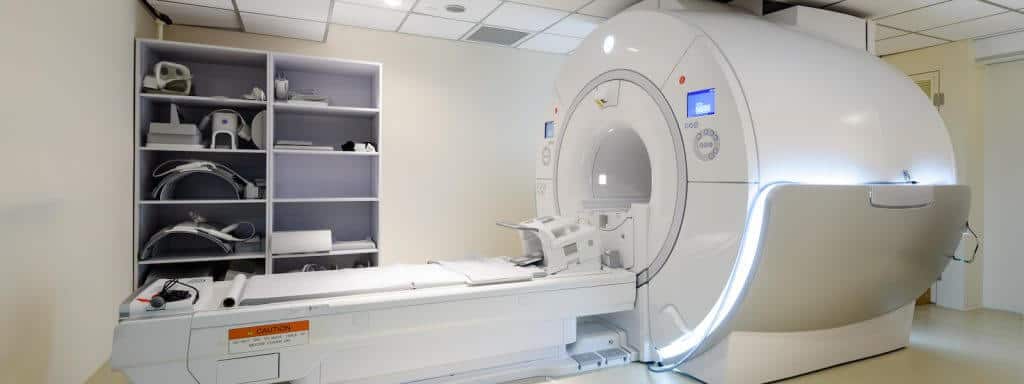
In-House wide-bore (70cm) MRI Imaging Facilities with high Tesla (1.5T), providing the most comfortable, swift and quiet experience for users.

The wide and low Comfort Plus table and open 70cm design allows patients to rest freely while affording easy access and a comfortable scanning experience.

Magnetic resonance Imaging (MRI) is a non-invasive, powerful and painless diagnostic scan that uses both the magnetic field and radio waves to provide detailed images of the body from any angle. The images provided would give doctors insight into finding out cancer or any abnormality condition of the body.

  • Brain MRI
  • Stroke MRI and MRA
  • Spine MRI Scan
  • Joint MRI
  • Whole Body MRI
  • Breast MRI
  • Pelvis MRI
  • Cardiac MRI
  • Prostate MRI
  • MR Cholangiogram
  • Others MRI- Abdominal and Chest, Breath-hold Abdominal, Thoracic Scans
error: Content is protected !!